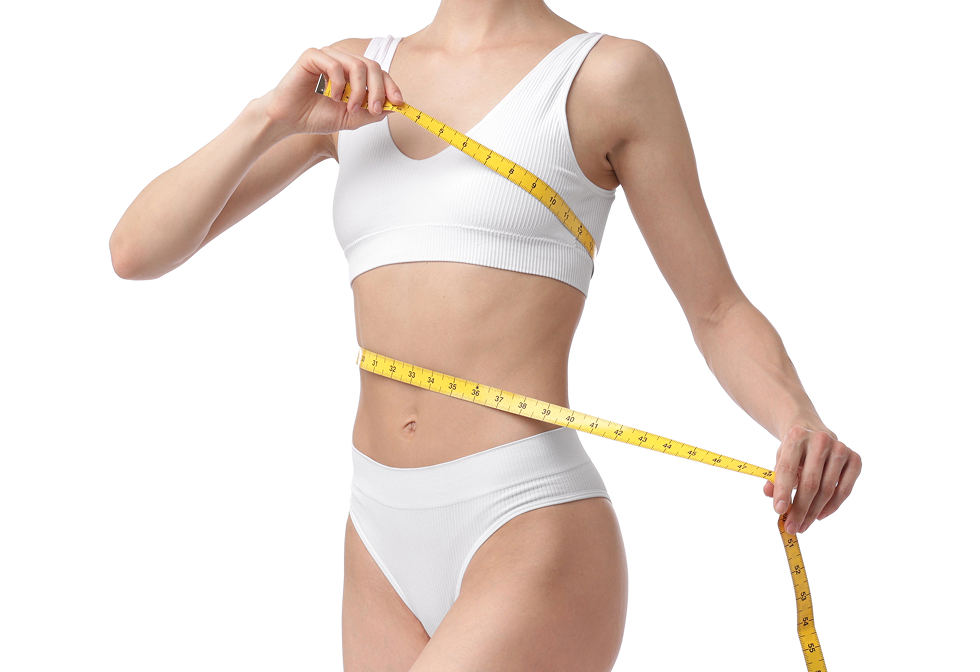
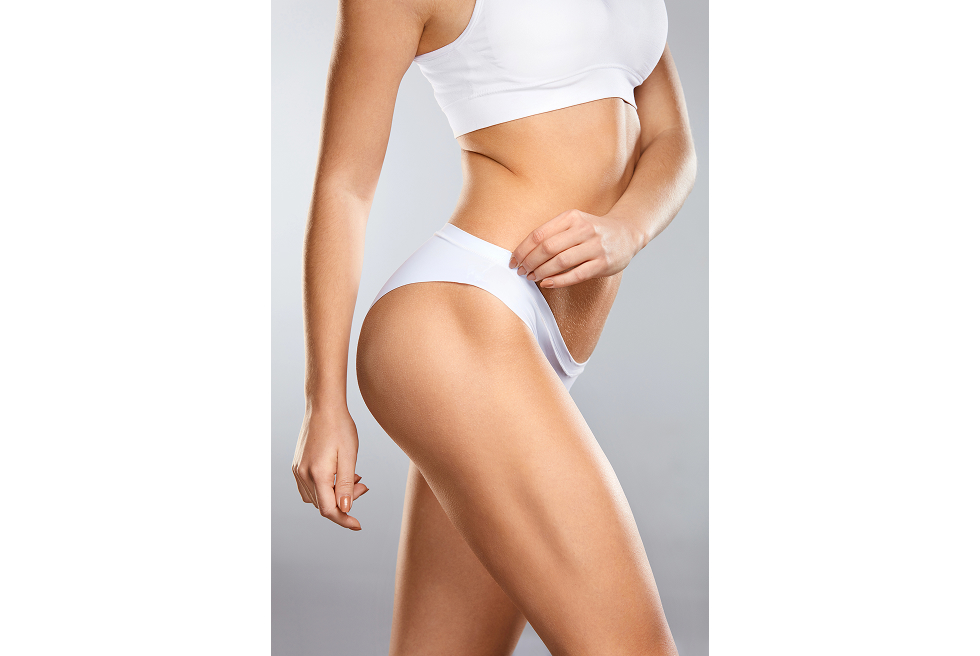
Skin tightening is often discussed as a matter of excess skin removal, but the deeper reality is how the body reorganizes itself after significant change. A TightLift procedure is not just about tightening tissue—it’s about re-establishing structural balance where skin has outpaced underlying support. What many patients don’t anticipate is how differently each area of the body responds, creating a gradual shift in contour rather than an immediate transformation.
What Is a TightLift Procedure?
A TightLift procedure is a surgical approach designed to remove excess skin and refine body contours after the skin has lost its natural elasticity. Unlike procedures that focus only on fat reduction, TightLift addresses what remains after volume changes—loose, stretched skin that no longer conforms to the body underneath. What is often overlooked is that the procedure is as much about re-draping tissue as it is about removal. The goal is not to simply tighten, but to re-establish smoother transitions between body areas so the contour looks natural in motion and at rest. TightLift is commonly applied to regions where skin has been stretched beyond its ability to retract on its own.
How Much Skin Can TightLift Remove or Tighten?
The amount of skin a TightLift procedure can remove or tighten is not fixed—it depends on how the skin behaves under tension rather than a measurable “limit.” What is often not discussed is that surgeons are working with elastic recovery potential, not just excess tissue. Skin that has been stretched for years may still have varying degrees of recoil ability depending on location, thickness, and underlying support structures. Another important factor is how much tightening can be achieved while still maintaining natural movement and blood flow. Over-tightening can create tension that looks unnatural or affects healing, so results are always balanced between removal and preserving functional, smooth contouring across the treated area.
Who Is a Good Candidate for TightLift Surgery?
- Individuals with stable weight but persistent loose skin
The most suitable candidates are often people who have already completed major weight loss or post-pregnancy recovery. What is less commonly discussed is that TightLift works best when weight has stabilized, because fluctuating weight can continuously stretch newly tightened skin and affect long-term contour stability. - Patients with “skin laxity imbalance” across different areas
Some people have tighter skin in one region but significant looseness in another. A key but overlooked consideration is that TightLift is most effective when it can restore balance between these areas rather than trying to treat every region equally. - People who notice skin separation from underlying muscle movement
A subtle but important sign of candidacy is when skin visibly shifts or delays when you move. This indicates reduced structural attachment, which TightLift is designed to improve by re-draping and repositioning tissue. - Individuals with realistic expectations about skin behavior
A less discussed factor is that skin does not behave like fabric that can be perfectly “reset.” Good candidates understand that improvement is about refinement and tightening, not completely eliminating all natural texture or minor irregularities. - Patients with good overall healing capacity
Circulation, nutrition, and lifestyle habits quietly influence outcomes more than many realize. People with consistent sleep patterns, balanced diets, and non-smoking habits tend to experience smoother recovery and more predictable tightening. - Those experiencing functional discomfort from excess skin
Beyond appearance, some patients feel physical irritation, pulling sensations, or limitations in movement due to loose skin. These functional issues often indicate a stronger need for surgical tightening rather than non-invasive options. - Individuals who understand that different body areas heal differently
A frequently overlooked reality is that the abdomen, arms, thighs, and back all respond uniquely to tightening procedures. Ideal candidates accept that results will evolve at different speeds across the body rather than uniformly. - People seeking contour refinement rather than dramatic body reshaping
TightLift is not a weight-loss procedure. The best candidates are those who already like their general body shape but want smoother definition and improved skin adherence to underlying structure. - Patients prepared for a gradual reveal of results
Swelling, tissue adjustment, and internal healing can temporarily mask improvement. Those who understand this staged progression tend to feel more satisfied with the final outcome.
TightLift Procedure Risks and Benefits Explained
The benefits of TightLift are often viewed only in terms of tighter skin, but a less discussed advantage is how it can restore visual continuity between body zones, making movement and posture look more balanced. Improved clothing fit and reduced skin friction are also common functional benefits patients don’t always anticipate. On the risk side, what is often overlooked is that tension distribution plays a major role in outcomes—if certain areas are tightened more than others, the body can heal with subtle asymmetry or uneven texture. Another important consideration is that healing is not linear; early results can temporarily look uneven before settling into a more refined shape over time.
How Long Do TightLift Results Last?
TightLift results are long-lasting, but what is less commonly discussed is that longevity depends more on how the skin continues to age structurally than on the surgery itself. While the tightened tissue does not revert immediately, the body naturally continues its aging process, which can gradually change elasticity and firmness over time. Another subtle factor is how internal support structures adapt after skin removal—this “settling phase” can influence how stable the contour remains in the long run. Patients who maintain steady weight and healthy lifestyle habits tend to preserve their results more consistently, while significant fluctuations can stretch even well-tightened areas in ways that slowly reshape the final outcome.
Is TightLift Worth It? Results Explained Objectively
Whether TightLift is “worth it” often depends less on the visible change and more on how the body feels and functions after excess skin is removed. One rarely discussed aspect is the reduction of constant low-level strain—loose skin can create ongoing tension during movement that patients only notice once it is gone. Objectively, value is also found in how clothing fits more consistently across different positions, not just when standing still. Another overlooked point is psychological adjustment; patients often take time to recognize their new silhouette because the brain recalibrates slowly to improved contour. Worth is ultimately measured in stability, comfort, and proportion rather than dramatic transformation alone.
Conclusion
TightLift is best understood as a structural refinement procedure rather than a simple tightening solution. The results depend on how the skin, underlying tissue, and body proportions interact as healing progresses, making the transformation both gradual and highly individualized. For patients dealing with loose skin after weight loss or body changes, the real value often lies in improved comfort, smoother movement, and more balanced contours over time.
If you are considering TightLift and want to understand what may be possible for your body, visit us or call 312-337-3010 to schedule a consultation.