When people ask how long a chemical peel takes to heal, they are often really asking how long it will take to feel like themselves again. Healing is not just about visible peeling—it’s about comfort, confidence, and how skin responds beneath the surface. Chemical peel recovery is highly individual, shaped by skin biology, lifestyle, and expectations. Understanding this process helps set realistic timelines and prevents unnecessary concern during normal stages of healing.
How Long Do Chemical Peels Take to Heal? A Realistic Overview
Healing after a chemical peel does not follow a single, predictable timeline. While many people focus on how long peeling lasts, true recovery extends beyond what you can see. Most light peels heal within a few days, while medium peels often require one to two weeks before skin feels settled. Deep peels involve a longer healing process that can last several weeks or more. What is often overlooked is that skin may look healed before it feels normal. Sensitivity, dryness, and subtle texture changes can continue as new skin strengthens. Recovery is influenced by skin type, peel depth, and how carefully post-treatment instructions are followed.
Understanding the Healing Process After a Chemical Peel
After a chemical peel, the skin begins a controlled repair process rather than a simple shedding of old layers. The treatment creates a signal for the skin to regenerate, increasing cell turnover and temporarily triggering inflammation. This response is intentional and necessary for renewal. During healing, the skin barrier is weakened, which is why tightness, dryness, and sensitivity are common even after visible peeling stops. New skin cells are forming, but they are thinner and more vulnerable at first. What many people don’t realize is that this rebuilding phase continues quietly for weeks, as the skin restores strength, hydration balance, and resilience beneath the surface.
Chemical Peel Downtime: What to Expect Day by Day
- Day 1:
Skin often feels warm, tight, and slightly swollen. Redness is common and may resemble a mild to moderate sunburn. At this stage, discomfort is usually more noticeable than visible peeling. - Days 2–3:
Tightness increases as the skin begins to dry. Facial movement may feel restricted, especially around the mouth and eyes. This is when many people underestimate how sensitive the skin still is. - Days 4–6:
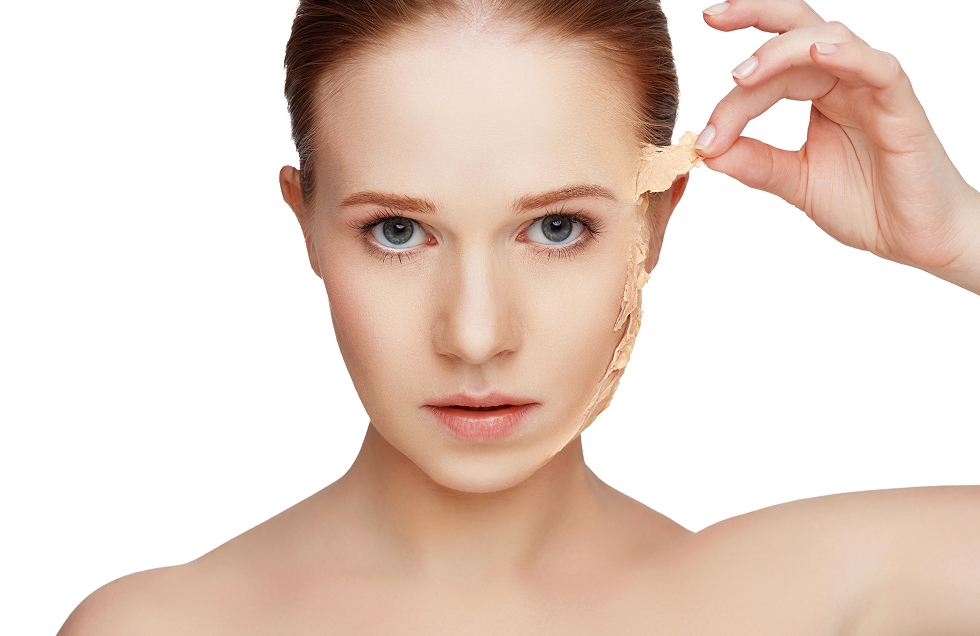
Peeling and flaking typically begin. Skin may shed unevenly, which can look patchy rather than uniform. It’s important to allow skin to detach naturally. - Days 7–10:
Most visible peeling slows, but redness and sensitivity can linger. Skin often appears smoother yet feels delicate and reactive to products. - Beyond Day 10:
Healing continues beneath the surface. Texture, tone, and comfort gradually improve as the skin barrier rebuilds.
Chemical Peel Side Effects and Healing Responses
Many reactions after a chemical peel are signs of healthy healing, not complications. Redness, swelling, and warmth indicate increased blood flow as the skin repairs itself. Itching or mild tingling often appears as new skin cells migrate to the surface. One lesser-known response is temporary darkening or lightening of treated areas, which can occur as pigment-producing cells reset. Breakouts may also happen as trapped debris is released during accelerated cell turnover. These changes can feel concerning, but they are usually part of the skin’s adjustment phase. Understanding which responses are normal helps reduce anxiety and prevents unnecessary interference with the healing process.
Post Chemical Peel Care and Healing Tips
- Treat your skin like a healing wound, not a cosmetic surface
After a peel, the skin barrier is temporarily compromised. This means less is more. Avoid layering products or “correcting” the skin’s appearance while it rebuilds. - Cleanse with intention, not frequency
Gentle cleansing once or twice daily is enough. Overwashing can slow healing by stripping natural lipids the skin needs to repair itself. - Moisturize for function, not glow
Choose bland, fragrance-free moisturizers that support barrier repair rather than products designed to enhance radiance or texture. - Sun avoidance is non-negotiable
Healing skin is highly reactive to UV exposure. Even brief sun contact can interfere with pigment regulation during recovery. - Expect delayed sensitivity
Skin may feel fine for several days, then suddenly become reactive. This delayed response is common and often misunderstood. - Avoid active ingredients longer than expected
Retinoids, exfoliants, and acids should be paused well beyond visible peeling. Reintroducing them too soon can disrupt healing. - Hands off, even when peeling is tempting
Manually removing peeling skin can create uneven healing and increase the risk of irritation or discoloration. - Hydration supports recovery from within
Adequate water intake helps cellular turnover and improves skin elasticity during repair. - Sleep position matters
Sleeping on your back reduces friction, swelling, and unnecessary irritation during early healing. - Emotional patience is part of aftercare
Skin may look worse before it looks better. Understanding this reduces stress, which can indirectly affect healing.
When Can I Return to Work After a Chemical Peel?
Returning to work after a chemical peel depends less on medical readiness and more on visibility and comfort. Many people could physically resume work within a day or two, especially after a light peel, but choose to wait because redness, peeling, or tightness feels distracting in professional settings. Video calls, bright office lighting, and long hours of facial movement can make healing skin feel more noticeable. Medium and deep peels often require additional time away, not due to pain, but because the skin is still actively shedding and sensitive. Planning around social exposure, rather than strict downtime rules, leads to a smoother transition back to work.
Final Thoughts
Healing after a chemical peel is a gradual process that goes beyond visible peeling. Understanding how the skin repairs itself, what reactions are normal, and how aftercare influences recovery allows for a more confident and comfortable experience. When expectations align with biology, patients are better equipped to navigate downtime and protect their results. If you’re considering a chemical peel and want guidance tailored to your skin and lifestyle, visit us at RAM Plastic Surgery or call 312-337-3010 to schedule an appointment and learn what recovery may look like for you.