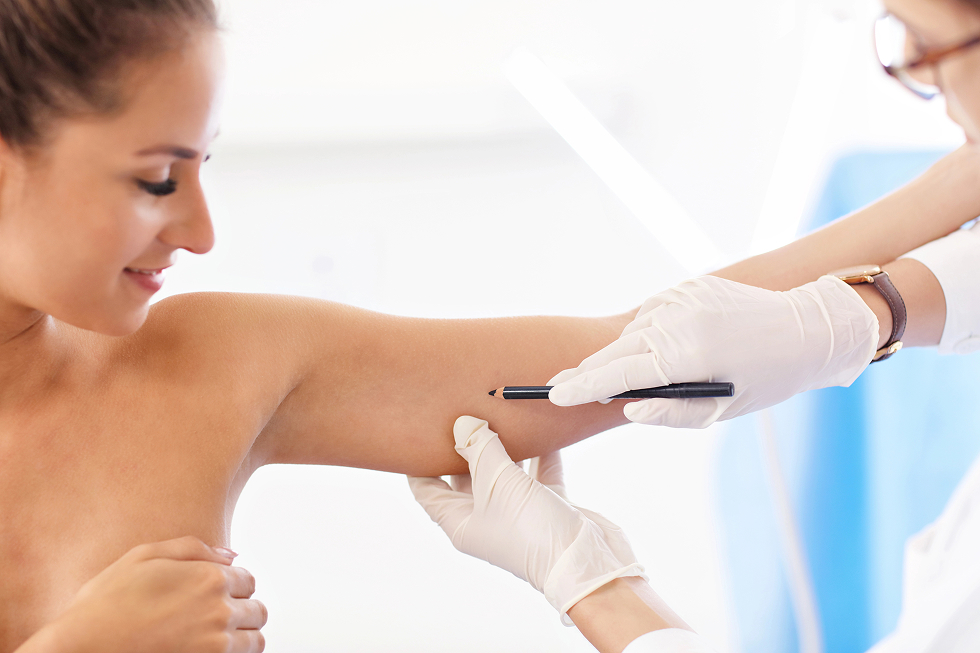
When people consider an arm lift, many assume it’s a shortcut to weight loss. In reality, brachioplasty is about sculpting and reclaiming the shape of your arms rather than shedding pounds. What’s rarely discussed is how the procedure can transform your perception of your body—tightening sagging skin and redefining contours can make arms look leaner, even if the scale barely changes. Understanding this distinction is key to realistic expectations.
What an Arm Lift Actually Does
An arm lift, or brachioplasty, is often misunderstood as a weight-loss procedure, but its true purpose lies in reshaping and refining the arms. The surgery removes excess skin and, in some cases, targeted fat deposits, creating a smoother, firmer contour from the underarm to the elbow. Unlike liposuction, which primarily reduces fat, an arm lift addresses loose, sagging skin that persists even after diet or exercise. What’s rarely mentioned is how this change subtly alters your body’s proportions—tightened arms can make the shoulders, chest, and torso appear more defined, giving the visual impression of a leaner upper body without significant changes in overall weight.
Arm Lift and Weight Loss: What to Expect
Many patients wonder, “Will I lose weight after an arm lift?” The truth is that any scale change is usually minimal—often just a few pounds—because the procedure targets skin and small pockets of fat rather than overall body fat. What’s less commonly discussed is how our perception of weight shifts after surgery: the removal of sagging skin can make arms look significantly slimmer, which can make the upper body feel lighter and more proportionate. For some, this visual refinement can motivate healthier habits, indirectly supporting weight maintenance. Understanding that brachioplasty primarily changes shape, not total weight, helps set realistic expectations and emphasizes the aesthetic rather than the numeric results of the procedure.
Who Is an Ideal Arm Lift Candidate?
Choosing brachioplasty isn’t just about loose skin—it’s about understanding how your body responds to both aging and weight fluctuations. Many experts focus on obvious indicators like sagging, but seldom discuss subtler factors that influence long-term satisfaction. An ideal candidate often exhibits a combination of physical and lifestyle characteristics:
- Stable body weight – Candidates should ideally be near their target weight, as significant future weight fluctuations can stretch skin and alter results. Even minor changes in arm fat can affect contour after surgery.
- Good skin elasticity – While arm lifts remove excess skin, those with slightly resilient skin tend to achieve smoother, more natural contours, reducing the appearance of post-surgical creases.
- Localized fat deposits – Those with stubborn fat along the upper arms that resists diet and exercise benefit most, especially when liposuction alone wouldn’t correct sagging skin.
- Realistic expectations – Patients who understand that brachioplasty reshapes rather than significantly reduces weight often feel more satisfied with their results.
- Non-smokers or committed to quitting – Smoking reduces skin healing and increases the risk of complications, making long-term results less predictable.
- Commitment to a healthy lifestyle – While surgery improves contour, maintaining results depends on balanced nutrition and strength training to prevent new sagging.
- Overall health – Candidates with controlled chronic conditions like diabetes or hypertension generally have smoother recoveries and lower complication risks.
- Motivation beyond weight – Those seeking improved proportions, upper-arm tone, or confidence in sleeveless clothing often experience the most psychological benefit from the procedure.
- Post-weight loss patients – Individuals who’ve lost a significant amount of weight may still have residual sagging; for them, arm lifts can provide the final shaping that exercise alone cannot.
Understanding these factors helps patients align their goals with what brachioplasty can realistically achieve, improving satisfaction and long-term outcomes.
Arm Lift Results for Different Body Types
Arm lift outcomes can vary significantly depending on body type, and this is often overlooked in typical discussions. For lean individuals with minimal fat but loose skin, brachioplasty can produce a dramatic smoothing effect, giving arms a naturally toned appearance. For those with more upper-arm fat, combining liposuction with an arm lift may be necessary to achieve balanced contours. Patients with broader shoulders or muscular arms may notice subtle reshaping rather than drastic size reduction, yet the procedure can still create a more proportionate silhouette. Genetics, skin quality, and previous weight changes all influence how scars heal and how the arms appear after surgery, making personalization essential for optimal results.
Recovery and Long-Term Maintenance
Recovery after an arm lift involves more than just letting incisions heal—it’s a period where subtle habits shape long-term results. Swelling and bruising typically last a few weeks, but gentle movement and targeted exercises help maintain arm contour and prevent stiffness. What’s rarely discussed is how posture and muscle tone affect how results appear over time; strengthening the shoulders and upper back can enhance the visual slimming effect. Long-term maintenance also depends on stable weight and skin care, as significant fluctuations can stretch the skin and alter contour. Scars gradually fade with proper care, and patients who combine consistent exercise with healthy nutrition often enjoy results that continue to look refined years after surgery.
Arm Lift vs Weight Loss: Clarifying the Difference
An arm lift and weight loss serve very different purposes, though they’re often confused. Weight loss reduces overall body fat, but it doesn’t tighten loose skin or address sagging in the upper arms. Conversely, an arm lift targets excess skin and localized fat deposits, reshaping the arms without significantly affecting total body weight. What’s rarely discussed is how the visual impact of an arm lift can make a person appear slimmer overall, even if the scale doesn’t change. For many patients, this distinction is liberating—focusing on contour rather than pounds helps set realistic goals and prevents disappointment, highlighting the surgery’s true value in proportion and confidence rather than numeric weight loss.
Conclusion: What an Arm Lift Really Changes
An arm lift doesn’t drastically change your weight, but it can transform how your arms—and your upper body—look and feel. By removing excess skin and refining contours, brachioplasty creates a smoother, more proportionate silhouette that can boost confidence and complement a healthy lifestyle. Understanding the difference between weight loss and body contouring helps set realistic expectations and ensures satisfaction with the results. If you’re curious about how an arm lift could reshape your arms and improve your overall body confidence, visit us at RAM Plastic Surgery or call 312-337-3010 to schedule a personalized consultation with Dr. Azizi today.