f you’ve been wondering, “Am I a good candidate for a Brazilian Butt Lift?” you’re already asking the right question. Candidacy isn’t just about wanting fuller curves—it’s about anatomy, lifestyle, expectations, and long-term body goals. A Brazilian Butt Lift is a fat transfer procedure, not a shortcut to transformation. Understanding BBL candidacy requirements helps you decide whether this surgery aligns with your health, proportions, and vision for your body.
What Is a Brazilian Butt Lift and How Does It Work?
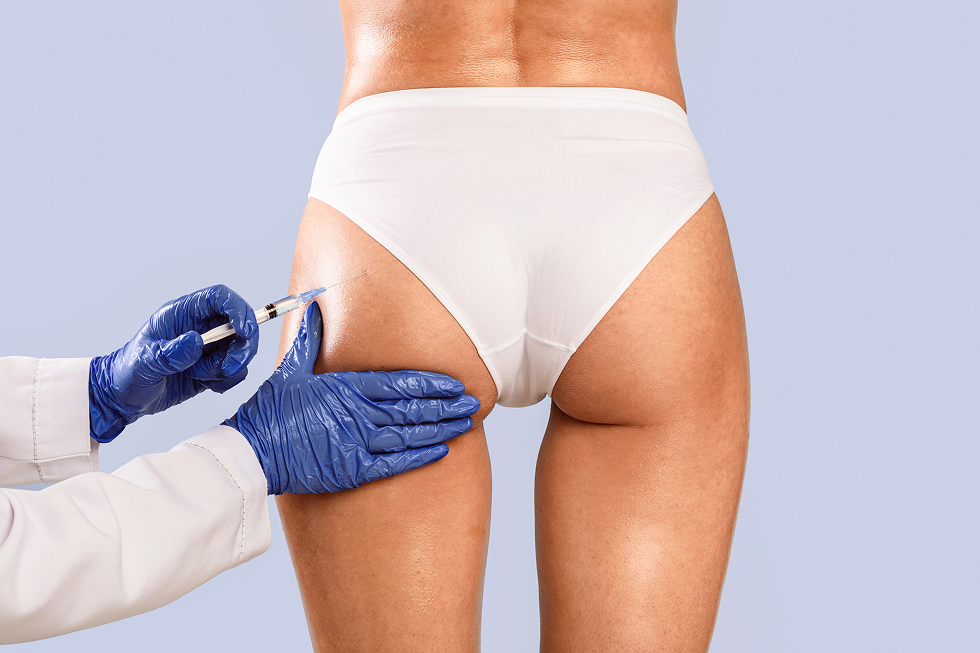
A Brazilian Butt Lift (BBL) is a surgical fat transfer procedure that reshapes the body in two ways at once. First, unwanted fat is removed from areas such as the abdomen, flanks, lower back, or thighs using liposuction. That fat is then purified and strategically injected into the buttocks to enhance volume and contour.
What’s often overlooked is that a BBL is less about “adding size” and more about redistributing proportion. The final shape depends not only on how much fat survives, but on your existing anatomy, skin elasticity, and how your body heals. In many cases, the surrounding liposuction plays just as big a role in the outcome as the fat transfer itself.
Core Brazilian Butt Lift Candidate Criteria
When evaluating Brazilian Butt Lift candidate criteria, surgeons look beyond simple measurements. Yes, you need enough excess fat for transfer—but quality matters as much as quantity. Dense, healthy fat cells tend to survive transfer better than fragile fat from crash dieting or recent weight fluctuations.
Stable weight is another key BBL candidacy requirement. If your weight often rises and falls, your results may change over time. Good skin elasticity also plays a quiet but important role, as it affects how smoothly the transferred fat settles.
Ideal BBL candidate fitness and health standards include being medically healthy, a non-smoker (or willing to stop), and free of conditions that impair healing or circulation.
BBL Surgery Safety and Candidacy: Important Risk Considerations
- Understanding why BBL safety receives so much attention A Brazilian Butt Lift is more technique-sensitive than many other cosmetic procedures. Fat must be placed in specific layers to reduce serious complications. This means BBL surgery safety and candidacy depend heavily on anatomy, surgical planning, and strict adherence to modern safety protocols.
- Your anatomy plays a larger role than many realize Not every body is structured the same. Muscle thickness, blood vessel location, and natural fat distribution can influence how and where fat can be safely injected. Some patients may technically qualify but require a more conservative approach to stay within safe limits.
- Body Mass Index (BMI) is not just a number Higher BMI can increase anesthesia risks, while very low BMI may limit available fat for transfer. BBL candidacy requirements often include being within a healthy, stable weight range to reduce surgical and recovery complications.
- Circulation and clotting history matter A personal or family history of blood clots, poor circulation, or certain clotting disorders can affect BBL risks and candidacy considerations. These factors may require additional medical clearance or preventative measures.
- Smoking and nicotine use significantly increase risk Nicotine reduces blood flow, which directly impacts fat survival and wound healing. Even vaping or nicotine patches can interfere with recovery. Being nicotine-free before and after surgery is part of responsible BBL surgery candidate expectations.
- Large-volume fat transfer is not always safer or better A common misconception is that more fat equals better results. In reality, transferring excessive fat in one session can increase pressure in tissues and raise complication risks. Safe candidacy sometimes means choosing moderation over dramatic change.
- Recovery discipline affects safety Following sitting restrictions and post-operative instructions reduces complications. Patients who cannot realistically follow recovery guidelines may not meet ideal BBL candidacy standards.
- Emotional readiness is a safety factor Impulsive decisions or external pressure can lead to regret or unrealistic expectations. Safe candidacy includes being mentally prepared for swelling, temporary asymmetry, and gradual results.
Age and Timing: Is There a Best Age for Brazilian Butt Lift?
There is no single “best age” for a Brazilian Butt Lift, but timing matters more than the number itself. Most candidates are between 25 and 50, when skin elasticity and healing capacity are still strong. However, lifestyle stage often matters more than age.
If you are planning future pregnancies or major weight changes, your results may shift over time. Fat cells transferred during a BBL behave like other fat cells—they can expand or shrink. Hormonal changes, stress, and metabolism shifts in your 40s can also influence long-term results.
The ideal timing is when your weight, family plans, and career schedule are stable enough to protect your investment in recovery and results.
Brazilian Butt Lift Recovery Expectations: Are You Prepared?
Recovery is where candidacy becomes real. Many people focus on the surgery itself, but BBL recovery expectations require planning and discipline. You will need to avoid direct sitting on the buttocks for several weeks, which can affect work, commuting, and even simple daily routines.
Swelling can temporarily make the buttocks look larger than expected before settling. Some transferred fat will not survive, which means final results take months to reveal themselves. You may also feel soreness in liposuction areas longer than in the buttocks.
Being prepared means arranging time off, adjusting workouts, and having support at home so healing is not rushed or compromised.
How to Know If a BBL Is Right for You
Knowing if a BBL is right for you starts with clarity about your body goals. Are you looking to improve proportion and shape, or are you hoping for a dramatic transformation that your frame may not support? A Brazilian Butt Lift enhances what you already have—it does not create an entirely new body structure.
Consider how you feel about the areas where fat will be removed. Since liposuction is part of the procedure, you must be comfortable reshaping multiple areas, not just your buttocks.
Ask yourself BBL candidacy questions about lifestyle, patience, and long-term weight stability before moving forward.
Conclusion
Determining whether you are a good candidate for a Brazilian Butt Lift requires more than a desire for curves—it involves assessing your health, body composition, lifestyle, and realistic expectations. Understanding BBL candidacy requirements, recovery demands, and long-term considerations helps ensure that your decision is safe and aligned with your body goals.
If you’re ready to explore whether a Brazilian Butt Lift is right for you, a personalized consultation is the next step. Our team at RAM Plastic Surgery can help answer your questions, review your candidacy, and guide you through the process with expert care. Call us today at 312-337-3010 to schedule an appointment.