
Liposuction is often seen as a quick fix for excess fat, but being a good candidate goes far beyond weight or appearance. True candidacy considers how fat is distributed, skin elasticity, overall health, and personal goals. The right candidate approaches liposuction as a tool for refining body contours rather than losing pounds, understanding that small, targeted changes can create lasting harmony and confidence when paired with realistic expectations and thoughtful planning.
Who Is a Good Candidate for Liposuction?
A good candidate for liposuction is someone who understands the procedure’s true purpose: sculpting and refining body contours rather than achieving major weight loss. These individuals usually maintain a stable weight, have localized areas of stubborn fat, and possess skin with sufficient elasticity to adapt smoothly after fat removal. Overall health is essential—chronic conditions like uncontrolled diabetes or heart disease can increase risks and slow recovery. Equally important is mindset: ideal candidates have realistic expectations, are committed to post-procedure care, and understand that liposuction enhances their natural shape rather than creating perfection. Even subtle improvements in specific areas, such as the abdomen, flanks, or thighs, can dramatically improve proportion and confidence when approached thoughtfully and strategically.
Key Factors in Liposuction Candidate Evaluation
Evaluating whether someone is a good candidate for liposuction goes beyond visible fat. Surgeons consider multiple anatomical, medical, and lifestyle factors to ensure safe procedures and satisfying results. This careful assessment also examines patient goals, skin quality, and previous surgical history, providing a more complete understanding of how liposuction will interact with each individual’s body. Here are the key considerations that are often overlooked in typical discussions:
- Skin Elasticity Requirements
Healthy, firm, and elastic skin is essential for smooth contouring after fat removal. Loose or sagging skin may not retract properly, which can affect results. Candidates with excellent skin elasticity often see the most natural, even outcomes. - Distribution of Stubborn Fat
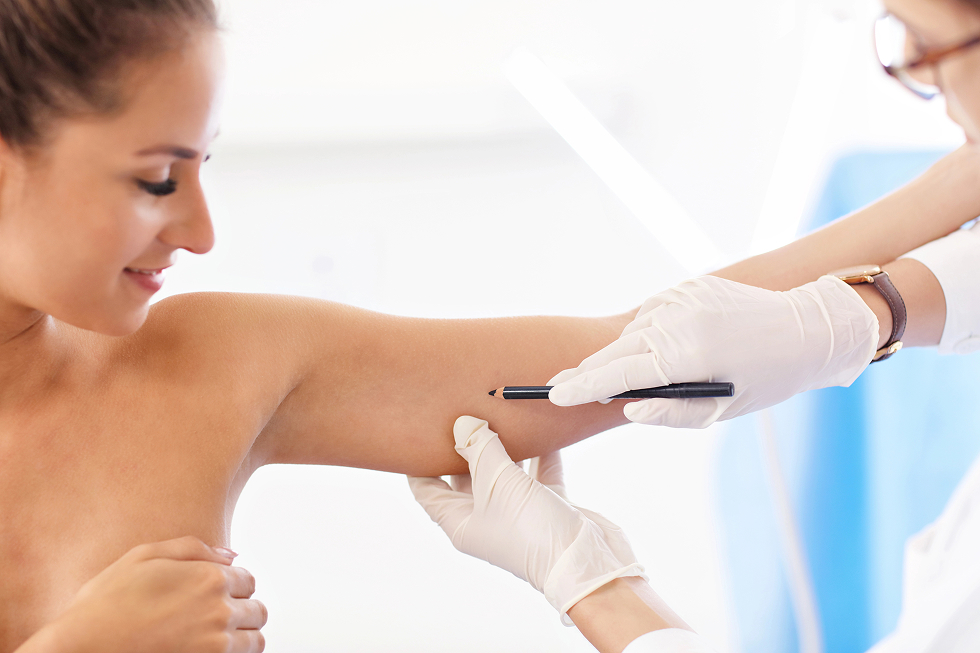
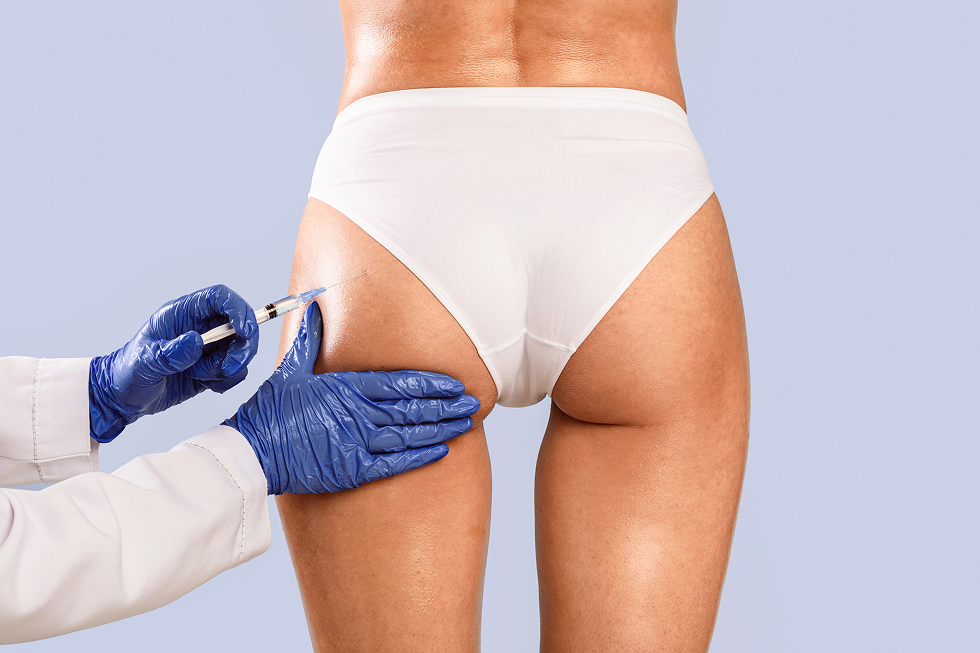
Liposuction works best on localized pockets of fat that resist diet and exercise. Surgeons assess areas like the abdomen, flanks, thighs, arms, and under the chin to determine where liposuction will provide meaningful contour improvements. - Body Mass Index (BMI) and Overall Health
While liposuction is not a weight-loss procedure, maintaining a healthy BMI reduces surgical risks and supports optimal healing. Chronic conditions, including heart disease, uncontrolled diabetes, or clotting disorders, must be evaluated to ensure safety. - Age and Skin Quality
Age can influence skin tone, elasticity, and recovery speed. Younger patients often have more resilient skin, but older candidates may still be suitable if their skin responds well to treatment. - Lifestyle and Activity Level
Candidates who are physically active and maintain consistent nutrition often heal faster and see better contour retention. Lifestyle habits also indicate long-term adherence to post-operative recommendations. - Psychological Preparedness
Understanding realistic outcomes and having a positive, patient-centered mindset is crucial. Ideal candidates seek body refinement rather than perfection and are committed to recovery guidelines. - Treatment History and Prior Surgeries
Previous procedures, scarring, or skin irregularities can affect liposuction technique and results. Evaluating surgical history helps plan a safe, effective approach tailored to each patient.
These factors together create a comprehensive picture of candidacy, ensuring that liposuction enhances the patient’s natural body shape safely, effectively, and predictably. By carefully evaluating skin elasticity, fat distribution, overall health, and lifestyle habits, surgeons can anticipate how the body will respond to treatment. This thoughtful assessment also helps set realistic expectations, minimize complications, and tailor the procedure to each patient’s unique anatomy, ultimately supporting results that look natural and harmonious rather than forced or artificial.
Preparing for a Liposuction Consultation
Preparing for a liposuction consultation involves more than noting areas of fat you want removed. Thoughtful candidates reflect on their overall health, lifestyle habits, and realistic goals for body contouring. Bringing a list of medications, supplements, and prior surgical history helps the surgeon assess safety and tailor the procedure. Candidates should also consider questions about recovery, downtime, and expected results, as understanding the healing process influences satisfaction. Visual references, such as photos of personal goals, can help communicate expectations clearly. Approaching the consultation with honesty about health, habits, and desired outcomes ensures the discussion focuses on whether liposuction is the right fit and how to achieve results that align with your body and lifestyle.
Liposuction Safety and Suitability Guidelines
Liposuction safety begins with a thorough evaluation of overall health and realistic expectations. Candidates should be free from uncontrolled medical conditions that increase surgical risk, including heart disease, diabetes, or clotting disorders. Maintaining a stable weight and healthy lifestyle supports both safety and long-term results. Suitability also involves understanding your body’s unique anatomy—fat distribution, skin elasticity, and prior surgical history all influence how safely and effectively liposuction can be performed. Psychological readiness is equally important; candidates who understand the procedure’s limits and commit to post-operative care are more likely to achieve predictable, satisfying results. Following these guidelines helps ensure liposuction enhances body contours while minimizing complications.
Who Should Consider Liposuction
Liposuction is best suited for individuals who have localized fat deposits that resist diet and exercise, rather than for those seeking significant weight loss. Candidates often have good skin elasticity and are in generally good health, with no conditions that could compromise healing. People who want to refine body contours—such as the abdomen, flanks, thighs, or arms—can see dramatic improvements with targeted fat removal. Those considering liposuction should also have realistic expectations, understanding that the procedure enhances natural shape rather than creating perfection. Finally, candidates who are committed to maintaining results through healthy habits and follow post-operative instructions tend to achieve the most satisfying, lasting outcomes.
Conclusion
Being a good candidate for liposuction involves more than identifying areas of stubborn fat. It requires a combination of healthy lifestyle habits, realistic expectations, proper skin elasticity, and overall medical readiness. Understanding these factors ensures that liposuction enhances your natural body contours safely and predictably. If you’re considering liposuction and want a personalized evaluation to determine if it’s right for you, visit us at RAM Plastic Surgery or call 312-337-3010 to schedule a consultation with our expert team.