While many discussions about brachioplasty focus on the visible results—sleeker, more defined arms—few explore the subtler story of healing that follows. Every incision tells part of that journey. Scars are not simply marks to hide, but evidence of the body’s remarkable ability to repair itself. Understanding how these scars form, evolve, and can be minimized helps patients approach recovery with confidence and respect for the body’s natural resilience.
Why Brachioplasty Scars Form: A Closer Look at the Healing Process
Scars form as the body’s natural way of closing and strengthening a surgical incision. During brachioplasty, the skin and underlying tissue are reshaped, and the body immediately begins repairing this controlled injury. Collagen—a protein that acts like scaffolding—rushes to the area to rebuild tissue. Early scars often appear raised or red because collagen production is in overdrive. Over time, the fibers reorganize, softening and fading the scar. What’s rarely discussed is how personal this process is: genetics, skin tone, circulation, and even emotional stress influence how your body heals. Recognizing this individuality helps patients move away from perfection and toward cooperation with their own biology.
What to Expect After Brachioplasty: The Timeline of Scar Healing
In the first few weeks after brachioplasty, scars are typically firm, pink, and sometimes slightly raised—this is your body’s way of building new strength beneath the surface. Around the three-month mark, swelling lessens and scars may begin to flatten, though their color can deepen temporarily as blood flow increases to aid healing. By six months, most scars start to fade, feeling smoother and more flexible. Full maturation, however, can take a year or longer. What many patients don’t realize is that scars continue to evolve quietly long after the skin looks healed—tiny collagen fibers keep rearranging, refining texture and tone in response to how you move, nourish, and care for your body.
Incision Placement and Scar Types: Where and How They Appear
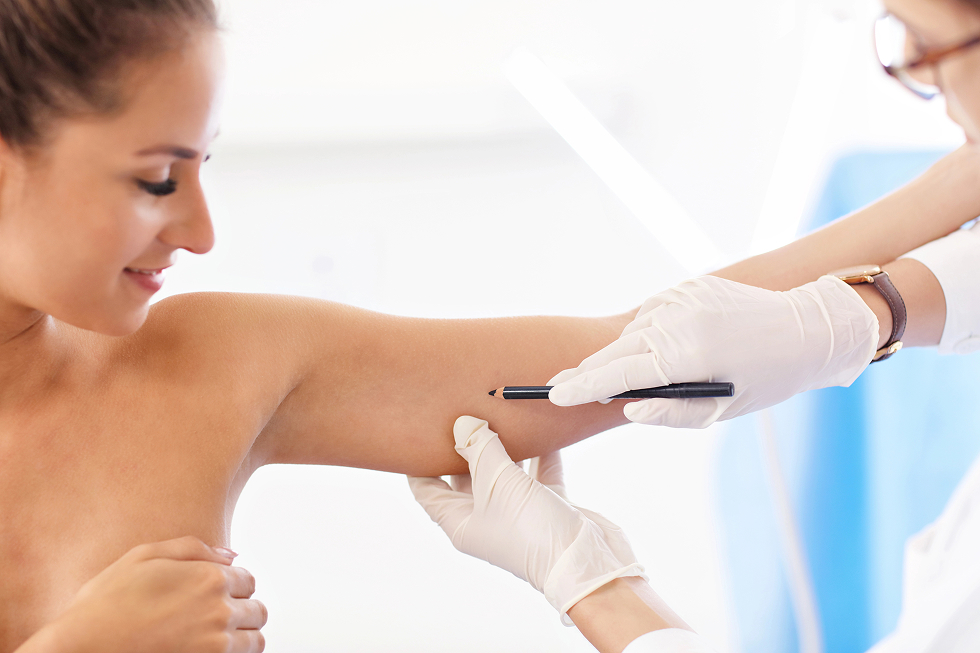
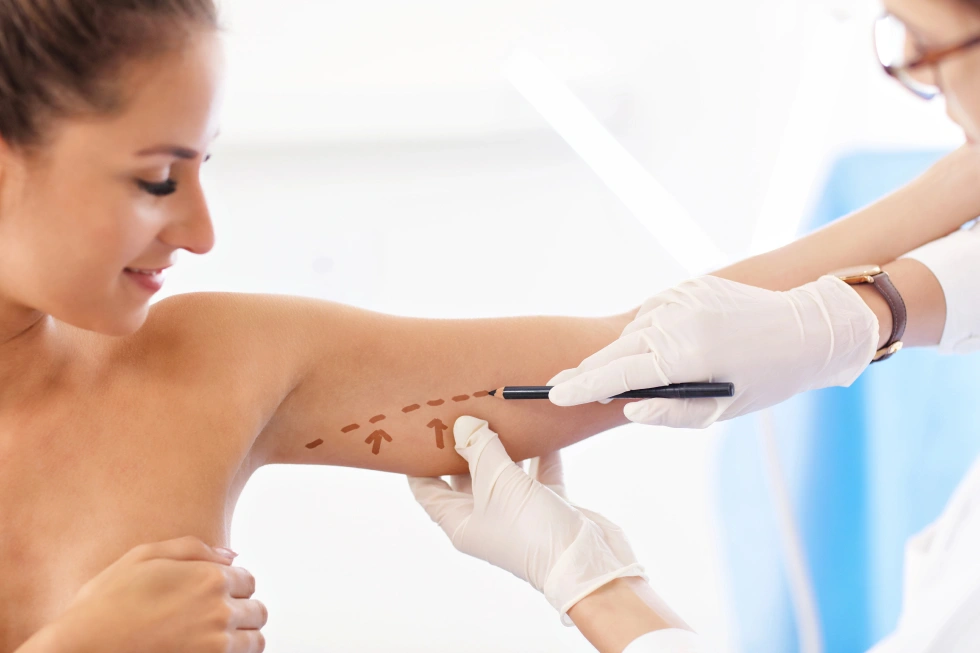
Brachioplasty scars can vary depending on the surgical approach and how much excess skin is removed. Most incisions are placed along the inner arm, from the armpit to the elbow, where they are less visible during daily movement. In more extensive cases, an incision may extend down the side of the chest to smooth larger folds of skin. What’s rarely discussed is how incision placement reflects a balance between artistry and anatomy—each line is planned to follow natural contours, tension lines, and areas of shadow. Even small variations in skin elasticity or posture can change how the scar ultimately settles, making every result as individual as a fingerprint.
How to Minimize Brachioplasty Scars: Effective At-Home and Professional Strategies
Reducing the appearance of brachioplasty scars isn’t about finding a single “miracle” product—it’s about creating the right environment for your body to heal efficiently. Consistent care, gentle attention, and professional guidance can make a remarkable difference. Below are both at-home and in-office strategies that work together to support healthy scar maturation:
At-Home Care and Daily Habits
- Follow your surgeon’s post-op instructions carefully. Proper wound care in the early stages sets the foundation for smoother healing and less tension on the incision.
- Keep the area moisturized. Hydrated skin is more flexible and heals more evenly. Use gentle, fragrance-free creams once the incision has closed.
- Apply silicone gel or silicone sheets. Silicone helps regulate collagen production, flattening raised scars and reducing discoloration. It’s one of the most studied and effective scar treatments available.
- Massage the scar gently. Once approved by your surgeon, light circular massage can help soften scar tissue and improve circulation.
- Protect scars from sun exposure. Ultraviolet light can darken healing skin, making scars more visible. Always use sunscreen or cover the area outdoors.
- Support your body internally. Nutrients like vitamin C, zinc, and adequate hydration promote collagen balance and cellular repair from within.
Professional and Advanced Treatments
- Laser therapy for arm lift scars. Fractional lasers and light-based treatments can reduce redness, smooth texture, and encourage new collagen formation.
- Microneedling and RF microneedling. These treatments create tiny micro-injuries that stimulate the skin’s natural renewal response, gradually blending scar tissue.
- Steroid or PRP injections. In cases of thicker or hypertrophic scars, injections can help flatten and soften the tissue.
- Scar revision surgery. For persistent or widened scars, surgical refinement may help reposition or minimize their appearance.
What often goes unmentioned is that scar care is a collaboration between patient and skin—it requires patience, trust, and consistency. Even subtle, mindful routines can influence how the body remembers its healing.
Preventing Complications: Habits That Impact Scar Appearance
The way you live after surgery can quietly shape how your scars heal. Smoking, for example, limits oxygen flow to the skin, slowing recovery and increasing the risk of thick or uneven scars. Rapid weight changes can also place tension on the healing tissue, stretching the incision line. Consistent hydration and balanced nutrition—especially protein and vitamin-rich foods—help the body build strong, flexible collagen. Gentle movement supports circulation, while rest allows deeper tissues to repair. What’s often overlooked is the role of stress: chronic tension in the body can subtly restrict blood flow and delay healing. Supporting both your physical and emotional recovery keeps scars softer, flatter, and more harmonious with your skin.
Realistic Expectations: The Beauty of Healing Over Time
Healing after brachioplasty is not a straight path—it’s an evolving relationship between your body and time. In the first months, scars can seem more visible, but beneath the surface, deeper layers are rebuilding strength and flexibility. Over the course of a year or more, these changes often become subtle, soft, and well-blended with surrounding skin. What few experts discuss is how much emotional healing mirrors physical healing. Learning to see your scar as part of your body’s renewal, rather than an imperfection, can shift your perception entirely. Each stage of fading tells a story of resilience, patience, and the quiet intelligence of your body doing exactly what it’s meant to do.
Conclusion
While brachioplasty scars are an inevitable part of arm lift surgery, they don’t define the results of your transformation. With careful post-operative care, attention to daily habits, and access to professional treatments when needed, scars can become subtle and well-integrated with your natural contours. Understanding the healing process and setting realistic expectations allows you to focus on the lasting benefits of your procedure rather than temporary marks. If you’re considering brachioplasty or want personalized guidance on minimizing scars, visit us at RAM Plastic Surgery or call 312-337-3010 to schedule a consultation with our expert team. Your journey to confident, refined arms starts with informed care.